
Picture this: It’s peak haunt season. Your midway is packed, fog machines are rolling, and the air is thick with adrenaline. Suddenly, a guest collapses in the blackout maze. Strobe lights keep flashing. Actors stay in character, unsure if it’s a scare gone too far or a real emergency. Who’s calling 911? Who’s clearing the path? Who’s documenting what happens next?
For haunted attraction operators, these aren’t hypothetical nightmares. They’re real scenarios that play out every October. And after a string of high-profile safety scares in the industry, haunt leaders everywhere are rethinking what it means to be truly prepared.
Why Incident Response Is Different (and Harder) for Haunts
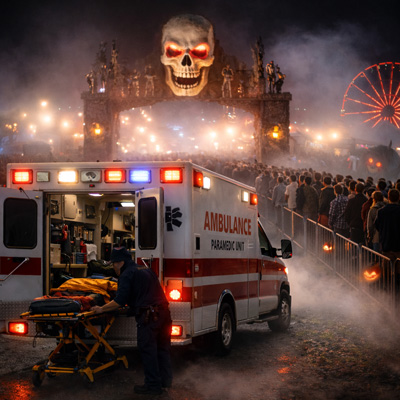
Managing emergencies in a haunted attraction isn’t like handling a slip-and-fall at a retail store. Haunts are designed to disorient and overwhelm. Darkness, narrow corridors, blaring soundtracks, and fog machines create a sensory overload, for customers and staff alike. Add in costumed actors, unpredictable crowds, and the constant edge of fear, and you’ve got a recipe for chaos when something goes wrong.
- Visibility is low. Actors often navigate by memory and instinct, not clear sightlines.
- Communication is tough. Radios crackle, but the soundtrack and screams can drown out instructions.
- Guests don’t always know what’s real. A medical emergency can look like part of the show... until it’s not.
- Adrenaline is everywhere. Staff and customers alike may freeze, overreact, or miss cues in the heat of the moment.
All of this means traditional emergency plans fall short. Haunt safety protocols must be tailored for the realities of a running haunt.
Lessons from Recent Industry Scares
Recent seasons have seen a handful of haunt emergencies make headlines: from medical incidents to scares gone wrong. While every situation is unique, the aftermath is always the same: operators scrambling to answer tough questions. Were staff trained? Was the response fast enough? Was the incident reported and documented?
These scares have been a wake-up call. Haunt operators are realizing that a single poorly managed incident can jeopardize not just guest safety, but the entire business. Social media spreads news fast. Regulators and insurers are watching.
Building a Culture of Preparedness
It’s not enough to have a binder of haunt safety protocols gathering dust in the office. Preparedness is a living, breathing part of haunt culture. That means:
- Staff training that sticks. Run practice drills in full show conditions: fog on, lights off. Make sure everyone knows their role in a crisis, from the front gate to the darkest corner of the maze.
- Clear, simple protocols. Staff should know exactly what their role is when faced with a medical, fire, or security issue. No one should be guessing under pressure.
- Regular rehearsals. Treat drills like dress rehearsals. Rotate scenarios: medical emergency, fire, lost child, group of aggressive customers. The more you practice, the faster and calmer your team will be.
- Empowerment to act. Make it clear that safety trumps the show. If an actor spots trouble, they have the authority to break character and escalate immediately.
When preparedness is part of your haunt’s DNA, you respond rather than react.
Documentation, Liability, and Learning from Incidents
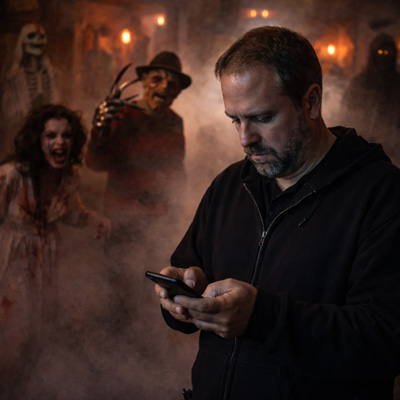
After the adrenaline fades, what you do next matters just as much as your initial response. Thorough documentation is about covering your liability as well as learning and improving. Every incident, big or small, is a chance to get better. Your management team should be able to easily and consistently document an incident from any device. This avoids lost paperwork and fuzzy memories at the end of a long night.
- Document everything. Who was involved? What happened, when, and where? What actions were taken? Clear, time-stamped records protect your team and your business. Detailed incident reports show insurers you’re proactive, not negligent.
- Review and debrief. Gather your staff after an incident. What worked? What could be improved? Use real examples to refine your haunt emergency plan.
- Update protocols. Don’t wait until next season. If you spot a gap, fix it now and share updates with your whole team.
- Stay proactive. Digital incident documentation tools make it easy to store, search, and analyze reports over time. The more you learn, the safer your haunt becomes.
Prepare for Your Next Emergency Now
Don’t let your next emergency be your first real test. Audit your current procedures. Invest in staff emergency preparedness training. Upgrade your incident documentation protocol. Build a culture where your entire team knows exactly what to do when the lights go out for real.
Let’s face it: paper forms get lost, coffee-stained, or buried in the office chaos. When the heat is on, whether it’s a guest complaint, a lawyer’s letter, or an insurance review, you need instant access, not a wild goose chase through dusty binders. Check out Sithon’s resources or book a quick demo. Give your haunt team the tools to keep your customers and your business safe season after season.